
What Is Kush: Definition, Origin, Effects, Best Strains
The cannabis plant is a shapeshifter in the realm of flora, capable of being identified and grouped in an array of manners. Typically, its distinctive traits are utilized to classify it as sativa, hybrid, or indica. Nevertheless, contemporary culture has established a new vernacular, utilizing terms like Kush, Haze, and Purple to distinguish particular strains based on their unique attributes, including aroma, flavor, potency, and even place of origin.
Kush, undoubtedly, ranks among the topmost desired cannabis strains across the globe. It boasts a unique taste and powerful effects that have enchanted marijuana aficionados for ages. This strain has withstood the trials of time and remains a popular choice. But what precisely is Kush marijuana, and where did it originate? In this article, we’ll explore the fascinating history and roots of Kush, as well as its ability to affect both the mind and body. Moreover, we’ll examine some of the highest-rated varieties currently obtainable, so you can discover the ideal match for your requirements.
What is Kush?
Kush types belong to the indica strains, and they come in pure or hybrid varieties. The pure strains include Afghan, Hindu, Green, and Purple Kush, while the hybrid strains comprise Blueberry and Golden Jamaican Kush. Essentially, Kush weed represents a cluster of strains that possess common origins, impacts, and tastes, and it’s consumed for both medicinal and entertainment reasons. The exact genesis of this cluster is shrouded in mystery, but it’s generally accepted that it originated from the Hindu Kush mountain range, which spans Afghanistan, Pakistan, and India.
Kush strains have gained a reputation for their elevated THC levels, surpassing 20% in some cases, which ranks them among the most powerful cultivars available. Growing these varieties is no easy feat, requiring specific environmental conditions and expert cultivation techniques. Nonetheless, numerous growers are convinced that the top-notch quality of Kush strains justifies the hard work. Whether you’re an ardent fan of this cannabis group or just interested in exploring, it’s undoubtedly one of the most exceptional and beloved marijuana families worldwide.
Typical features characteristic of Kush weed
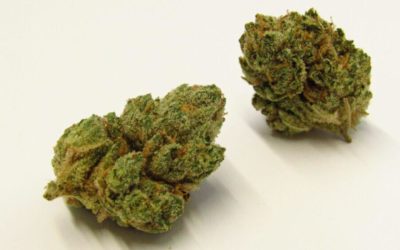
Appearance: Kush is an exceptional plant that captures one’s attention effortlessly. Its flowers are compact and petite, flaunting a beautiful fusion of hues that span from lively green to regal purple and earthy orange shades. The foliage is broad and boasts a luscious green tone that exudes life. To top it off, the leaves are coated with a generous layer of velvety trichomes, which harbor a vast array of cannabinoids and terpenes that give these plants their unique character.
Flavor: Kush’s flavor is a sensory orchestra, with a delightful fusion of earthy and woody flavors that dance in perfect harmony alongside intricate and subtle hints of spice and sweetness. Although the strain and cultivation techniques can slightly alter the flavor, it’s impossible to deny the rich and lavish taste that will remain imprinted in your mind long after the initial experience.
Aroma: The aroma of Kush embodies the quintessence of the great outdoors — it may range from woody and flowery to tangy, resinous, fruity, spicy, zesty, gassy, or herbal. It emanates a particular musty attribute that is instantly distinguishable. Its perfume can be rather potent and can waft in the atmosphere for hours, even after the marijuana has been enjoyed.
The main effects that can be obtained from the Kush cannabis
The Kush marijuana is famed for its mighty impact, with variations in strength contingent on the particular blend and the person partaking. Nevertheless, there are some common outcomes usually associated with the Kush types, including:
- Relaxation. If you’re looking to unwind and relax before dozing off, these strains are a must-try. They have gained popularity for their exceptional ability to pacify and alleviate stress and unease, allowing you to have a peaceful and restful slumber.
- Improved mood. Certain strains can evoke emotions of delight and contentment, potentially conferring advantages for individuals struggling with mental health challenges like depression.
- Stimulated Appetite. Specific strains possess the ability to stimulate hunger, presenting a valuable aid for individuals who struggle with appetite difficulties due to eating disorders or similar health issues.
- Creativity boost. Many users have claimed to feel more imaginative and inspired after using Kush, making it a preferred option for artists and musicians who seek to ignite their creative spark.
It is worth mentioning that Kush may present some possible adverse effects, such as parched mouth, bloodshot eyes, and vertigo. Moreover, in some instances, one may feel unpleasant symptoms like nervousness or suspicion, especially if taken in high dosages or by inexperienced individuals. As with any cannabis product, it is essential to begin with a small amount and gradually raise it as necessary to steer clear of any undesirable outcomes.
Lorem ipsum dolor sit amet, consectetuer adipiscing elit, sed diam nonummy nibh euismod tincidunt ut laoreet dolore magna aliquam erat volutpat.

What Is Skunk Weed: Definition, Origin, Effects, Strains
In today’s vernacular, “skunk” has become a catch-all phrase to describe any cannabis variety that packs a potent THC punch. Yet, it’s worth emphasizing that Skunk #1 is the legitimate moniker of one of the earliest and most favored marijuana strains, which has given rise to a lineage of offspring collectively known as the “Skunk family.” Regrettably, the media often vilifies “street weed” by labeling it as “skunk,” resulting in a deluge of falsehoods and misunderstandings surrounding the term.
Our goal in the following paragraphs is to inform readers about the complex and multifaceted world of skunk cannabis by providing a comprehensive exploration of its origins and evolution, advantages and disadvantages, and diverse types available in the market. We will offer a balanced and meticulous assessment, allowing readers to make informed decisions about whether this sk weed is right for them. Whether you are a seasoned connoisseur or a curious beginner, our mission is to provide a thorough understanding of this captivating family of strains, enabling readers to confidently appreciate its nuances and complexities.
Skunk weed: History of the origin and spread
Skunk cannabis has a captivating story to tell. It all started with the birth of Skunk #1, a celebrated hybrid strain that was born when two sativa landraces — Acapulco Gold and Colombian Gold — and a sturdy indica landrace, Afghan, came together in harmony. This union resulted in a tangy and zesty citrusy flavor that offers a refreshing high, showcasing the best characteristics of both sativa and indica strains. It’s not surprising that Skunk #1 is hailed as the pioneer of all Skunk lineage marijuana strains.
Back in the 1970s, a powerful and distinctive strain of weed burst onto the San Francisco Bay Area’s cannabis scene. It quickly won over the hearts and taste buds of marijuana aficionados with its exceptional flavor and effects. Sharp-witted breeders quickly saw its potential for interbreeding, and in no time, this hybrid had traveled across the Atlantic to the Netherlands. Since 1982, Skunk #1 has established itself as the bedrock for countless hybrid variations, opening up new frontiers in the marijuana field.
Skunk weed vs. “street weed”
The cannabis community is grappling with a perplexing issue over the term “skunk”, which carries a double connotation. One meaning refers to a distinguished family of strains or a specific variety of marijuana from this lineage, known for its unique aroma and potent effects. On the other hand, the same term is also used colloquially to describe any high-potency type of “street weed,” creating confusion for those who are not well-versed in the lingo.
Moreover, it’s important to keep in mind that not all marijuana strains called “skunk” are the same, despite the term’s double meaning. Some strains may belong to the Skunk weed family, while others may have a potent and fragrant smell that earned them the “skunk” label. Thus, comprehending the context in which the term is used is crucial to avoid any confusion or miscommunication.
What to expect from skunk marijuana?
Skunk cannabis is gaining immense popularity due to its captivating history and diverse assortment. The distinctiveness of their chemical composition and strength distinguish these cannabis strains, making them a preferred choice among users. Effects can range from mild to extremely potent, depending on the strain and an individual’s tolerance level. The robust high produced by this marijuana is renowned for enhancing creativity, uplifting moods, and promoting social interaction, making it a favored option for both recreational and therapeutic purposes.
Skunk marijuana is a mesmerizing realm brimming with countless possibilities. Its repertoire of strains with distinctive characteristics makes it a versatile selection for users of all kinds. Apart from evaluating potency and effects, users can also relish a diverse palette of flavors and fragrances, encompassing fruity, earthy, and spicy notes, and more. This cannabis endows users with a chance to embark on a journey of discovery, testing and experiencing different options, identifying the one that perfectly satisfies their unique preferences and necessities.
Skunk weed is more than just a source of leisure; it has healing powers too. This potent plant is recognized for its medicinal capabilities, which can ease various ailments such as anxiety, depression, and chronic pain. Its ability to uplift one’s spirits and reduce discomfort has made it a preferred choice among those seeking natural remedies. Nonetheless, it’s important to bear in mind that the effects of marijuana can vary from person to person, so it’s crucial to commence with a small dosage and gradually increase it until the desired outcome is achieved.
Skunk weed’s aroma is an unmistakable characteristic that sets it apart from other strains. The fragrance is often described as earthy and musky, and it can be overpowering for some users. However, for others, the scent is an integral part of the skunk marijuana experience. The distinctive odor of sk weed is attributed to its elevated levels of terpenes, natural compounds found in cannabis and other plants. Terpenes play a pivotal role not only in the fragrance of this herb but also in its effects, imparting each strain with its individual traits.

Why Does Weed Make Your Eyes Red and How to Get Rid of It?
Marijuana, also known as weed, is a popular drug among those who seek recreational activities due to its psychoactive properties. One of the most frequent symptoms of using marijuana is bloodshot eyes, leaving many curious about its cause and potential remedies. This article will delve into the scientific explanation behind weed effects on eyes and offer advice on how to ease this discomfort. Whether you are a seasoned user or new to cannabis, comprehending the factors leading to red eyes and ways to mitigate it can enhance your overall experience by providing more comfort and enjoyment.
Weed eyes: The effect of cannabis on the eyes
Indulging in marijuana even of the highest quality, like Silver Haze, increases the likelihood of your peepers taking on a reddish hue, which is a frequent occurrence. This arises from the dilation of blood vessels in your eyeballs, leading to escalated blood flow and a decrease in intraocular pressure. As a result, your peepers may appear bloodshot or tinged with redness. Delta-9-tetrahydrocannabinol (THC), the active component in marijuana, is recognized for reducing blood pressure and elevating heart rate, resulting in increased blood flow throughout the body, including the eyeballs. In other words, exactly THC is responsible for this side effect.
It’s important to keep in mind that some people have a higher likelihood of having an allergic reaction to marijuana or smoke in general. This can cause a more noticeable redness of the eyes, which may look similar to that caused by exposure to other types of smoke. Furthermore, it could also lead to heightened sensitivity not only to cannabis and tobacco but also to perfumed incense. Therefore, if you belong to this group of individuals, it would be wise to exercise caution while smoking.
Although stoned eyes are a common side effect of consuming marijuana with high THC content, for example, Skywalker, they’re usually nothing to worry about as they’re only temporary. Nevertheless, if you’re uneasy about your red peepers or if they’re causing you any discomfort, there are numerous ways to ease this issue. Throughout the following sections, we’ll dive into some useful techniques to help you alleviate those cannabis eyes.
Do Edibles make your eyes red?
Although it’s often said that smoking or vaping marijuana leads to stoned eyes, some folks are curious if consuming edibles causes the same reaction. Surprisingly, the answer is affirmative. Eating edibles can indeed result in bloodshot eyes, albeit not as frequently as with smoking. When you eat edibles, the liver breaks down the THC and other cannabinoids, releasing them into your bloodstream. This process takes longer than smoking, meaning the effects of edibles may not be felt immediately, but they usually last longer.
Edibles can be tricky because the onset of red eyes is unpredictable, and they can creep up on you hours after consuming them. Nevertheless, the underlying mechanism is the same as with smoking: THC expands blood vessels, giving the peepers a reddish hue. To ease cannabis eyes resulting from edibles, the same remedies used for smoking can work wonders. Drinking lots of water and using eye drops can soothe your eyeballs and diminish redness.
Does CBD make your eyes red?
CBD, also known as cannabidiol, is another chemical compound that marijuana possesses and is gaining popularity due to its potential health advantages. CBD does not trigger the typical mind-altering effects that marijuana is known for, nor does it cause weed eyes. Rather, CBD has the potential to reduce redness and inflammation in the eyeballs because of its anti-inflammatory and antioxidant characteristics. People even utilize CBD eye drops to relieve dry eyes, allergies, and other eye-related illnesses.
It’s essential to mention that certain CBD products may contain minuscule quantities of THC, which could lead to marijuana eyes in certain individuals. However, these amounts are usually negligible and improbable to have any noticeable effects. On the whole, whereas THC can result in bloodshot eyes, CBD does not generate the same outcome and may even confer some eye health benefits. Nevertheless, if you have any concerns regarding red eyes or any other marijuana use side effects, seeking the advice of a healthcare professional is always prudent.